
Fabric and material utilisation
How to Diagnose Fabric Loss Before Reconciliation
Material control becomes stronger when factories identify variance at the operating point where it is created, not only after the order closes.
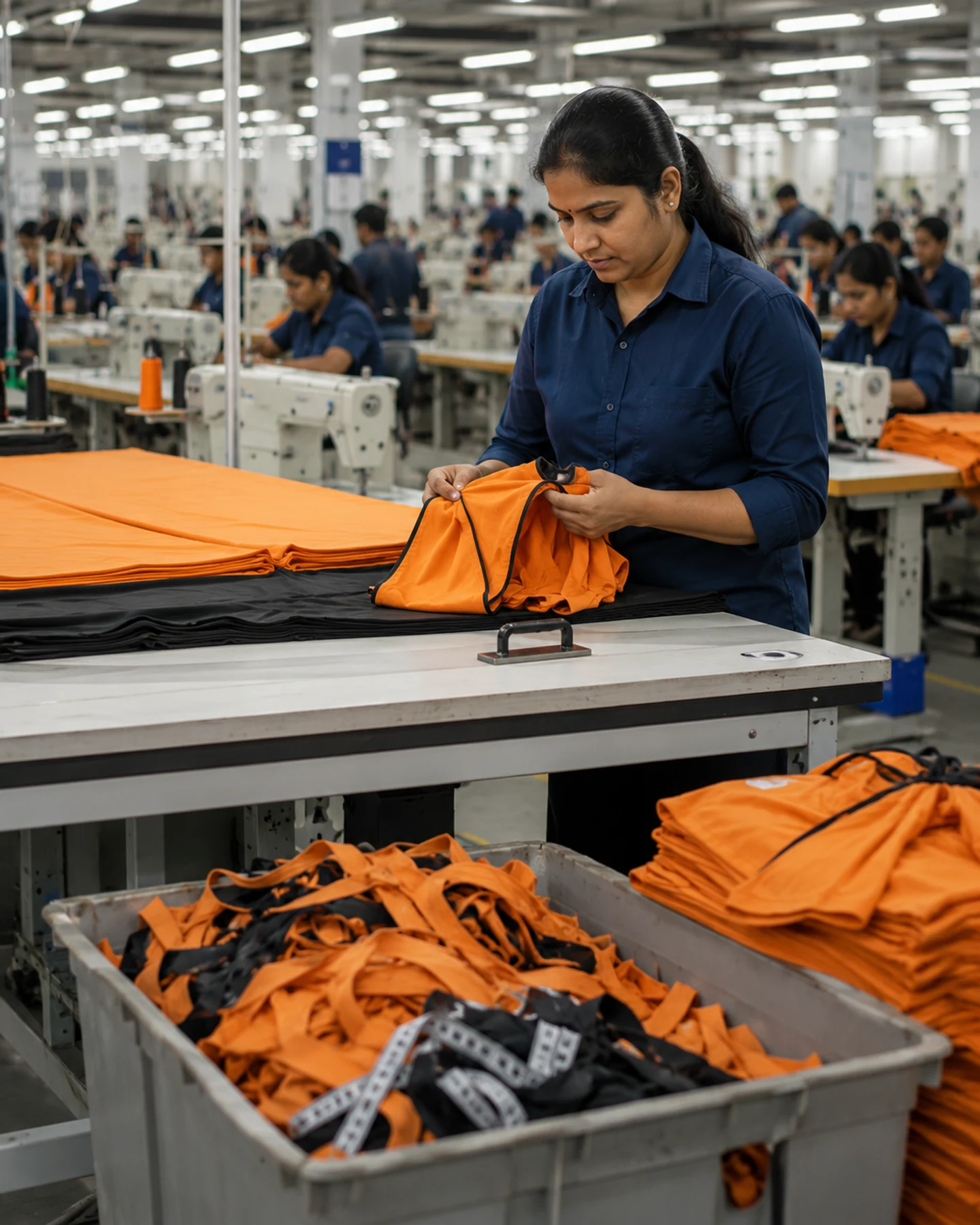
Late visibility makes material loss difficult to control
Order reconciliation is necessary, but it is too late to be the first point at which material variance becomes visible. By then, the cause may be spread across several transactions, shifts and departments.
The control system should create signals while the responsible process can still be examined.
Begin with one order and trace every movement
A useful diagnostic follows planned quantity and physical quantity together.
- Receipt and inspection
- Store entry and allocation
- Issue to cutting
- Cutting output, remnants and end bits
- Replacement and additional issue
- Return, excess and final reconciliation
Separate consumption from control failure
Some variance has a technical basis. Other variance is created by unrecorded decisions, weak approval or poor identification. The factory needs definitions that separate expected process variation from avoidable leakage.
Without that separation, teams either challenge every difference or accept too much of it.
Make replacement visible
Replacement material should connect to a reason, quantity, approving role and originating process. Otherwise, quality loss and material loss are reported independently even when they describe the same event.
Review material in value terms
Management attention improves when quantity is translated into value and delivery risk. This does not mean every variance is recoverable profit. It means priorities can be set using a common business language.
Build prevention into order closure
A strong system does more than reconcile. It identifies recurring cause, assigns correction and checks whether the next order behaves differently. That is how material control becomes a continuous operating capability.